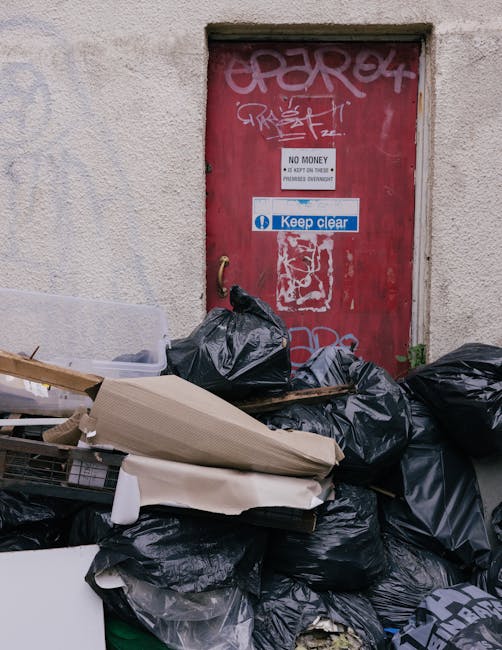
Booking access issues for rubbish collection Westferry Road
If you have ever tried to arrange a rubbish collection on Westferry Road and then realised the access is awkward, tight, gated, or flat-out confusing, you are not alone. Booking access issues for rubbish collection Westferry Road can turn a simple collection into a stressful back-and-forth of instructions, time windows, and last-minute adjustments. The good news? Most access problems are manageable once you know what matters, what to tell the team, and how to prepare the site properly.
This guide breaks it all down in plain English. You will learn why access matters, how bookings usually work, what to do when parking or entry is restricted, and how to avoid the common mistakes that cause delays. We will also cover practical tips, compliance points, and a real-world example so you can feel more confident before collection day. Truth be told, a little preparation goes a long way.
Contents
- Why Booking access issues for rubbish collection Westferry Road Matters
- How Booking access issues for rubbish collection Westferry Road Works
- Key Benefits and Practical Advantages
- Who This Is For and When It Makes Sense
- Step-by-Step Guidance
- Expert Tips for Better Results
- Common Mistakes to Avoid
- Tools, Resources and Recommendations
- Law, Compliance, Standards, or Best Practice
- Options, Methods, or Comparison Table
- Case Study or Real-World Example
- Practical Checklist
- Conclusion
- Frequently Asked Questions
Why Booking access issues for rubbish collection Westferry Road Matters
Access is not a small detail. It is often the thing that decides whether a rubbish collection runs smoothly or gets delayed, rescheduled, or priced differently. On a busy road like Westferry Road, even a good crew can be slowed down by loading restrictions, narrow vehicle access, controlled entry points, lift-only flats, shared forecourts, or a van that simply cannot stop safely where you expected.
When access is unclear, everyone loses time. The collection team may arrive and discover they cannot reach the waste without extra carrying distance, a gate code, or permission to enter a private courtyard. You, meanwhile, are left wondering why a job that looked simple on the booking form now needs a revised plan. And if you are dealing with bulky items, builders' waste, or a full property clearance, the problem gets bigger fast.
There is also a trust angle here. A provider that asks the right questions before arrival is usually thinking ahead about safety, efficiency, and legality. That matters whether you are booking a one-off collection from a home, arranging an office clearance, or clearing out a flat after a move. If you want the bigger picture on service standards and customer care, it can help to read the company's about us page and their health and safety policy.
Key point: access problems are rarely about the waste itself. They are usually about the route to the waste, the parking, the entry point, and the time it takes to move everything safely.
That is why planning for access is not just admin. It is part of getting the job done properly.
How Booking access issues for rubbish collection Westferry Road Works
Most rubbish collection bookings start with a few basic details: what needs removing, roughly how much there is, where it is located, and how easy it is to reach. When access is complicated, the booking conversation should become more specific. A good provider will want to know if the waste is kerbside, in a basement, up several flights of stairs, behind a locked gate, or inside a building with concierge-controlled access.
In practical terms, the process usually looks like this:
- You describe the waste and where it is stored.
- You explain the access route, including gates, stairs, lifts, codes, parking, and any time restrictions.
- The provider assesses whether a standard collection is enough or whether a more tailored plan is needed.
- A suitable vehicle, crew size, and time slot are arranged.
- On the day, the team follows the agreed access plan and removes the waste.
That sounds straightforward, but the details matter. For example, a collection from a ground-floor unit with rear lane access is very different from a collection from an upper-floor apartment where the lift is small and the waste has to be carried through a shared hallway. One scenario may take minutes; the other may require careful scheduling and extra manpower.
If you are booking for a property that includes furniture, household items, or a mixed load, services such as home clearance, flat clearance, or furniture clearance may be more suitable than a simple one-item collection. For heavier or messier waste, the right fit may be builders waste clearance or general waste removal.
One small but useful point: access issues often become obvious only at the last stage of a job. You think the waste is ready, then realise the front door is narrower than expected, or the lift is out of service. That is why the best bookings always include a backup plan. Not glamorous, but very effective.
Key Benefits and Practical Advantages
Sorting access properly brings benefits that are easy to miss until something goes wrong. Here are the main ones:
- Fewer delays: the crew can plan the route, parking, and lifting approach in advance.
- Safer handling: awkward items are moved with the right equipment and fewer rushed decisions.
- More accurate bookings: the job is matched to the right vehicle, crew size, and time window.
- Less stress for you: no frantic calls when the van arrives and cannot get close enough.
- Better value: fewer surprises means fewer avoidable add-ons or wasted time.
There is also a less obvious benefit: cleaner communication. Once access is discussed clearly, everything else becomes easier too. The collection team can think about loading order, how long the job may take, and whether the waste should be separated by type. That is especially helpful for mixed removals where furniture, household clutter, and a few awkward items all seem to appear at once, somehow.
If you are comparing services, pricing clarity matters as much as access. A transparent booking conversation should sit alongside a clear pricing and quotes process and sensible payment handling through payment and security.
Who This Is For and When It Makes Sense
This topic is relevant to anyone arranging rubbish collection where access is not as simple as "park outside and lift it in." In our experience, the most common situations include:
- Residents in flats, maisonettes, or managed buildings
- Landlords arranging end-of-tenancy or void property clearances
- Offices needing removal from upper floors or busy shared buildings
- Builders and tradespeople dealing with leftover rubble or packaging
- Homeowners clearing bulky items from a rear garden, loft, or garage
- Businesses with loading restrictions, security doors, or basement storage
It makes sense to focus on access from the outset if any of the following sound familiar: the waste is not on the ground floor, the building has controlled entry, parking is limited, the road is busy, or the item is too awkward to carry safely without a proper route. In those cases, the difference between a smooth collection and a headache can be one accurate sentence in the booking notes.
Even if the collection seems small, access can still matter. A single sofa on the third floor can be more challenging than a few bags on the curb. That is the bit people often underestimate.
Step-by-Step Guidance
Here is a practical way to handle booking access issues for rubbish collection Westferry Road without overcomplicating it.
- Map the route from waste to vehicle. Start where the items are stored and walk the route mentally. Count doors, stairs, lifts, and turns. If you would struggle with a heavy chair, the collection team probably will too.
- Check parking and stopping options. Can a van pull up near the property, even briefly? Is there a loading bay, bay suspension, concierge approval, or time-limited access?
- List all barriers honestly. Mention narrow hallways, low ceilings, locked gates, lift restrictions, resident-only zones, or any need for a permit or code. A small omission can create a big delay later.
- Explain what is being removed. Bulky furniture, builders' waste, garden cuttings, and office furniture all have different handling needs. The load type affects the access plan.
- Share timing constraints. If the building only allows collections at certain hours, say so early. If neighbours are sensitive to noise, that can matter too.
- Confirm who will provide access. Will someone be present with keys, fobs, or entry codes? If not, make sure there is a plan. No one likes standing in a corridor waiting for a reply on a phone that is suddenly on silent.
- Prepare the route. Move loose items, unlock gates if possible, and clear hazards such as bikes, bins, or wet mats. It sounds basic, but it saves time.
- Ask what happens if access changes. Sometimes the lift breaks down or parking disappears. It is better to know in advance how the provider handles changes.
If the collection is part of a larger clearance, think wider than the front door. Jobs such as house clearance, loft clearance, garage clearance, or office clearance usually need a more detailed access check than a simple roadside pickup.
One helpful habit: take two or three photos of the access route and the waste area. Not every provider asks for them, but when they do, it makes the conversation much easier. And yes, the lift lobby always looks smaller in the photos somehow.
Expert Tips for Better Results
Here are the details that make a real difference on collection day.
- Be specific about the building type. "Flat" is not enough. Mention whether it is a tower block, converted house, estate property, or mixed-use building.
- Give realistic carrying distances. Ten metres and fifty metres are not the same thing when there are stairs involved.
- Separate access from waste description. Tell the provider what the rubbish is and how they will reach it. Those are related, but not the same.
- Allow buffer time. If access might take longer than expected, do not plan your whole day too tightly around the booking.
- Check whether large items can be dismantled. A wardrobe or bed frame that comes apart may be far easier to move through tight spaces.
- Keep the route dry and clear where possible. In wet weather, shiny tiled halls and muddy entryways are a poor mix. You can probably picture it already.
A useful distinction: access is not just about convenience, it is also about safety. A team carrying a heavy item through a cramped staircase needs room to work without twisting awkwardly or blocking exits. That is why reputable providers will sometimes ask more questions than you expect. It is not fussiness; it is care.
If you want to understand how a provider handles operations, safety, and environmental responsibility, their insurance and safety and recycling and sustainability pages are worth a look.
Common Mistakes to Avoid
A lot of access problems come from small assumptions. The booking seemed fine. The day arrived. Then the trouble started. Here are the most common mistakes we see.
- Assuming the van can park anywhere. On a road like Westferry Road, that is often not realistic.
- Forgetting about building security. Key fobs, reception desks, codes, and call procedures matter more than people think.
- Underestimating stairs or tight corners. The route may look short, but a single awkward turn can slow everything down.
- Not mentioning timing restrictions. Deliveries, concierge hours, or resident-only access windows can affect collections.
- Leaving bulky items unprepared. If something can be folded, dismantled, or grouped safely, do it before the crew arrives.
- Giving vague instructions. "Just come to the back" is not enough if there are two entrances and one of them is locked after lunch.
Another mistake is not asking questions yourself. What if the lift is too small? What if parking is unavailable? What if the job runs into a building management rule? These are fair questions. Better to ask than to guess.
Tools, Resources and Recommendations
You do not need a specialist toolkit to get access sorted, but a few simple tools and habits help a lot:
- Phone camera: quick photos of gates, stairs, parking points, and the waste pile.
- Short written notes: keep key access details in one place so they are easy to share.
- Measuring tape: useful for checking narrow doorways, especially for furniture or white goods.
- Building contact details: concierge, management office, or landlord numbers can save the day.
- Item list: a simple list helps the provider judge size, weight, and handling needs.
From a service perspective, it helps to use pages that explain what the company does and how they work. For example, if your job involves furniture or mixed household items, the pages on furniture disposal and furniture clearance can help you think through what needs moving and how the process may be handled.
If you are booking for a business location, the business waste removal page is especially relevant because office buildings often have stricter access procedures, reception rules, and time limits than residential properties.
Small recommendation, but a good one: keep one clear message ready for the booking team. Something like, "The waste is on the third floor, lift available until 6 pm, parking is limited, and access is through the side entrance with a code." Simple, direct, useful.
Law, Compliance, Standards, or Best Practice
When access issues are involved, compliance is mostly about safe working practices, responsible waste handling, and making sure everyone involved understands the site conditions. UK waste collection and clearance work generally needs to respect duty-of-care principles, which means waste should be handled, transported, and disposed of responsibly. You do not need to memorise the legal detail yourself, but you should expect a professional provider to take it seriously.
Good practice usually includes:
- clear communication about access conditions before arrival
- safe lifting and carrying methods
- appropriate vehicle access and parking planning
- careful handling of shared spaces and communal areas
- respect for building rules, neighbours, and security procedures
If the job involves hazardous or awkward materials, the access discussion becomes even more important. The team may need extra time, special handling, or a different collection method. That is especially true for heavier loads, damaged furniture, or waste from renovation work.
You should also expect a provider to be transparent about terms, payment, and how they manage issues if the site is not accessible as described. Reading the terms and conditions alongside the booking information is never wasted time. Not exactly thrilling, granted, but very sensible.
If you need broader service reassurance, the pages on complaints procedure and accessibility statement can also help you judge how the business handles customer access and service expectations.
Options, Methods, or Comparison Table
Different access situations call for different approaches. Here is a simple comparison to help you choose the most practical method.
| Access Situation | Best Approach | Pros | Watch Out For |
|---|---|---|---|
| Kerbside or easy roadside access | Standard collection | Fast, simple, low effort | Parking restrictions or traffic flow |
| Flat with lift and controlled entry | Pre-booked access details and timed arrival | Efficient if access is confirmed in advance | Lift size, concierge hours, fob requirements |
| Upper-floor property with stairs | Clearance with extra carrying time | Can still be straightforward with planning | Fatigue, tight turns, shared hallways |
| Basement, rear lane, or hidden entrance | Detailed site instructions and route confirmation | Useful where front access is impossible | Gate codes, lighting, and turnaround space |
| Office or commercial premises | Scheduled business waste collection | Fits building rules and operating hours | Reception protocols, loading bay windows |
In many cases, the best option is not the cheapest-looking one on paper. It is the one that matches the reality of the building. That sounds obvious, but people still get caught out by it.
Case Study or Real-World Example
Imagine a small flat near Westferry Road with a sofa, a broken coffee table, and a few bags of mixed household rubbish. The booking looks easy at first glance. But then the resident mentions that the lift is tiny, the front entrance is key-fob access only, and parking nearby is limited to short-stay bays during busy hours.
Without that information, the collection team might arrive with the wrong assumptions. They could plan for a quick roadside pickup, only to find they need a longer carrying route and a different approach to the entrance. That would mean wasted time for everyone.
In the better version of this story, the customer sends a clear note in advance: the waste is on the second floor, the lift works but is narrow, the key fob is available on arrival, and there is a loading bay at the rear for ten minutes. The provider schedules the right vehicle and allocates enough time to collect the items safely. The job gets done with less stress, fewer surprises, and no awkward last-minute scrambling in the hallway.
It is a small example, but it captures the whole idea. Good access information turns uncertainty into a plan. That is the real value here.
Practical Checklist
Use this checklist before your booking is confirmed or before collection day arrives.
- Have I described the exact type and amount of waste?
- Have I explained where the items are located?
- Have I mentioned any stairs, lifts, gates, codes, or security points?
- Have I checked parking or loading options near the property?
- Have I told the provider about any time restrictions?
- Have I confirmed who will grant access on the day?
- Have I cleared the route as much as possible?
- Have I asked what happens if access changes unexpectedly?
- Have I reviewed the pricing, terms, and safety details?
- Have I kept building contact details handy just in case?
If you can tick most of those off, you are in much better shape than the average last-minute booking. Not perfect maybe, but properly prepared.
Get a free quote today and see how much you can save.
Conclusion
Booking access issues for rubbish collection Westferry Road do not need to turn into a complicated ordeal. Once you focus on the route, the parking, the entry point, and the building rules, the whole process becomes easier to manage. That is true whether you are arranging a one-off collection, a furniture removal, a flat clearance, or a larger waste job.
The main thing is simple: give accurate access details early, ask sensible questions, and choose a collection plan that fits the property instead of forcing the property to fit the plan. Do that, and you avoid most of the stress before it even starts.
If you want a company that understands practical site access and can help you plan properly, take a moment to explore the website and make contact through the main pages when you are ready. A good collection should feel organised, calm, and almost boring on the day. Honestly, boring is underrated.
Frequently Asked Questions
What are booking access issues for rubbish collection Westferry Road?
They are the problems that can stop or slow down a rubbish collection, such as limited parking, locked gates, narrow hallways, lift restrictions, or unclear entry instructions. On Westferry Road, traffic and building access can make this especially important.
Why does access matter so much for rubbish collection?
Because the waste has to be reached safely and efficiently. If the team cannot park nearby, get through the building, or move items without obstruction, the job may take longer or need to be rescheduled.
How should I describe access when I book?
Be specific. Mention the floor, lift size, stairs, gate codes, parking restrictions, loading bays, concierge access, and any time limits. Clear details help the provider plan properly.
Can rubbish still be collected if the van cannot stop right outside?
Often yes, but it depends on how far the crew needs to carry the waste and whether the route is safe and practical. A longer carry may be fine, but it should be agreed in advance.
What if the lift is too small for bulky items?
Tell the provider before the booking is confirmed. Some items can be dismantled, while others may need a different removal plan. A sofa or wardrobe that looked manageable in the flat can be a real pain in the lift.
Do I need to be present on collection day?
Usually someone needs to provide access, especially if there are gates, fobs, or locked doors. If you cannot be there, make sure access arrangements are confirmed in advance.
Will access issues affect the price?
They can. Extra carrying distance, more time on site, or awkward access may affect the quote. The best way to avoid surprises is to explain the access situation clearly when you ask for pricing.
What is the best way to prepare a flat for rubbish collection?
Clear the route, unlock access points where possible, keep the waste grouped together, and tell the provider about any stairs or lift limitations. For larger jobs, flat clearance or home clearance services may be more suitable than a basic pickup.
Are access issues different for business waste removal?
Yes, often. Offices and commercial buildings may have loading bay windows, reception rules, security procedures, or restricted access hours. That is why business waste removal bookings usually need more detail up front.
What should I do if access changes on the day?
Contact the provider as early as possible and explain the change clearly. If a gate is locked, a lift fails, or parking becomes unavailable, the earlier the team knows, the easier it is to adapt the plan.
Is it better to choose a clearance service instead of a basic collection?
If the waste is inside a property, spread across rooms, or hard to reach, a clearance service is often the better choice. It is more suited to access challenges than a simple curbside collection.
Where can I find more information about service standards and policies?
You can review pages such as about us, health and safety, insurance and safety, terms and conditions, and recycling and sustainability to understand how the company works and what to expect.